Where Wall Containment Makes All the Difference
Most construction happens inside buildings that are still running. People still working. Products still being made. Equipment worth more than the renovation sitting twenty feet from the drill. In those situations, wall containment stops being a line item and starts being one of the most important decisions on the project.
Here's where it matters most.
Active Offices and Occupied Workplaces: Dust travels. Noise carries. An open work zone sends the wrong message to tenants and staff trying to get through a normal day. A proper wall containment system gives contractors a defined area to work in, and gives the business the ability to keep operating.
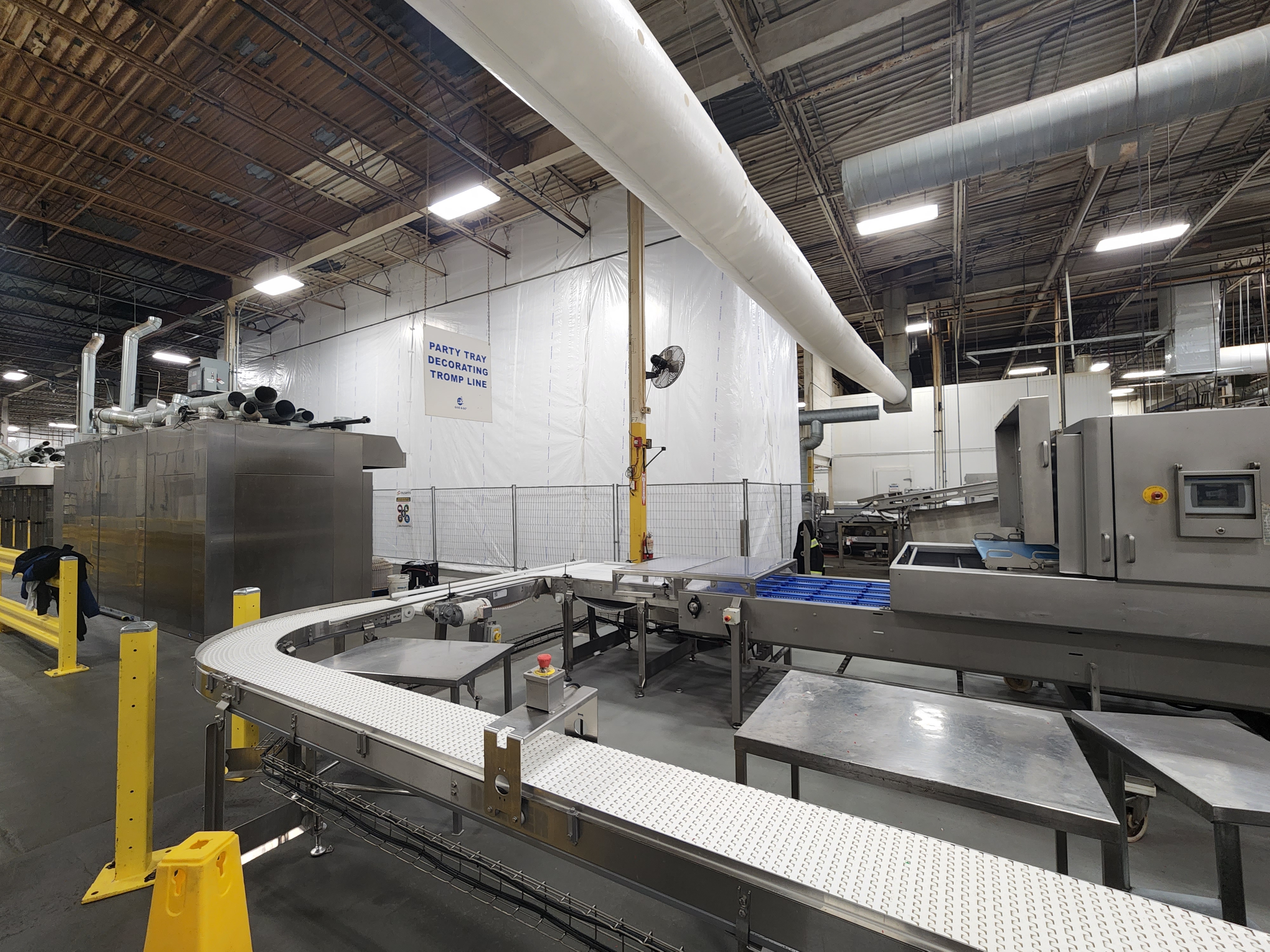
Food Manufacturing and Processing Facilities: In a food facility, contamination isn't just a mess, it can compromise production, finished goods, and regulatory compliance. We've worked directly in food production environments, including projects for Mondelez International, delivering containment built around the facility's requirements, not the other way around.
Hospitals and Healthcare Spaces: Patients, clinical staff, and sterile environments can't afford contamination or disruption. Wall containment creates a clean boundary between the work zone and everything that needs to stay protected, allowing phased renovations and construction to move forward safely.
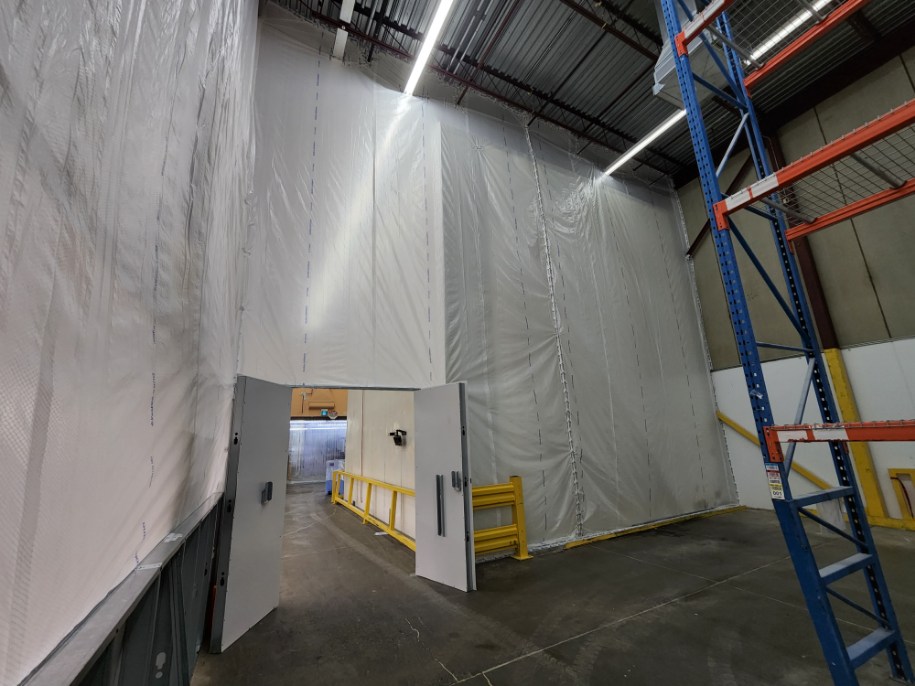
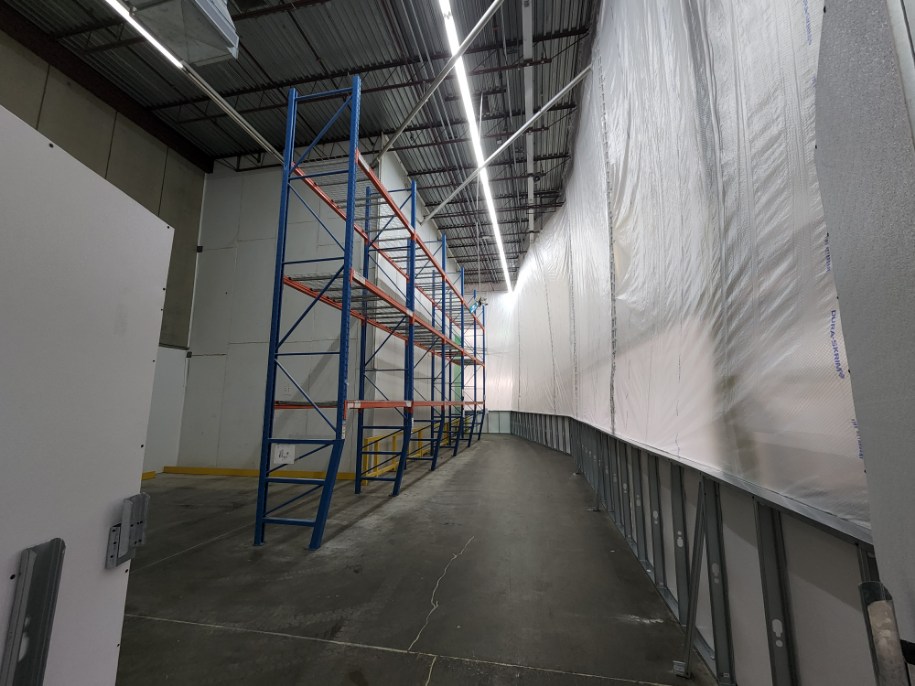
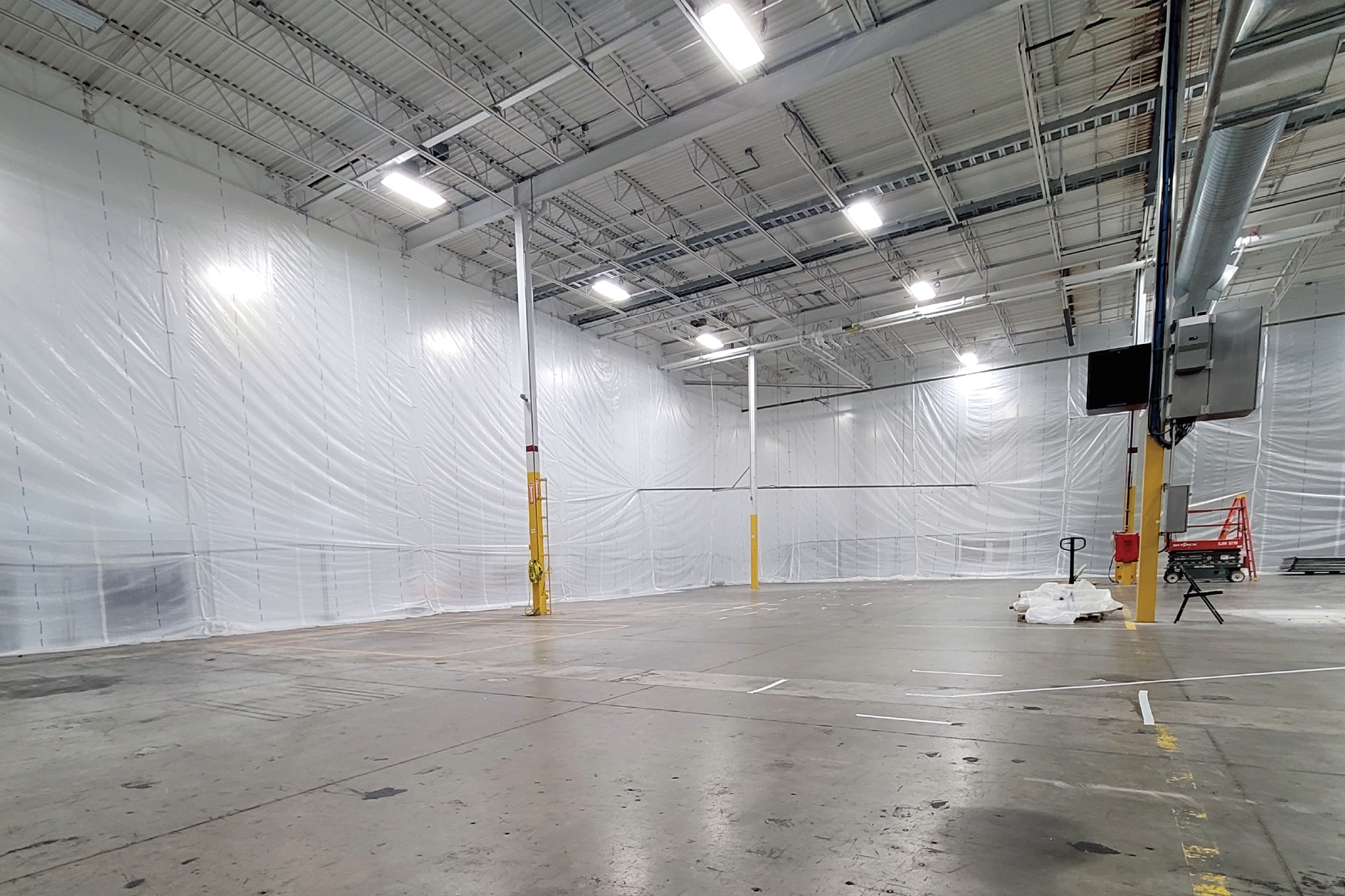
Warehouses and Distribution Facilities: Dust settles on product. Debris damages packaging. Open work zones create safety hazards for workers and equipment operators. Wall containment keeps the work defined and everything around it protected.
The Bottom Line
Every one of these environments shares the same reality: the construction can't compromise what's happening around it. Interior protection is all we do at Nusens — from wall containment and ceiling containment to debris netting, fall arrest, and leak diversion, in some of the most demanding active facilities in North America.
If your next project is inside an occupied building or near sensitive operations, wall containment needs to be part of the conversation from day one.
Reach out at nusens-usa.com or call 1 (888) 687-8720.


.png)


